
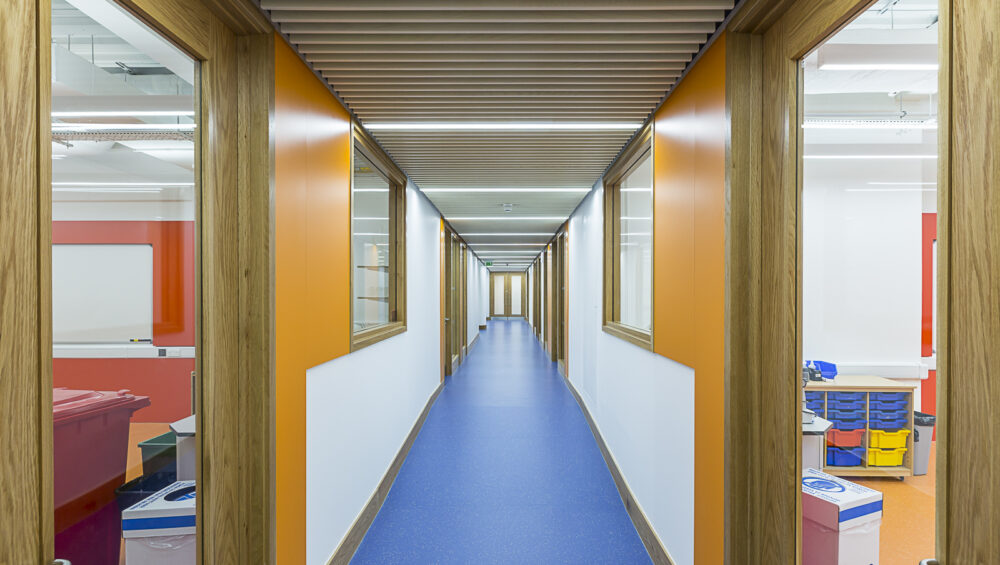
In educational settings, sound isn’t just background ambience; it’s fundamental to communication, comprehension, and cognition. The acoustic quality of classrooms, halls, and shared learning spaces can directly influence students’ ability to focus, teachers’ vocal health, and ultimately, educational outcomes. Yet, poor acoustics remain one of the most overlooked challenges in school and campus design.
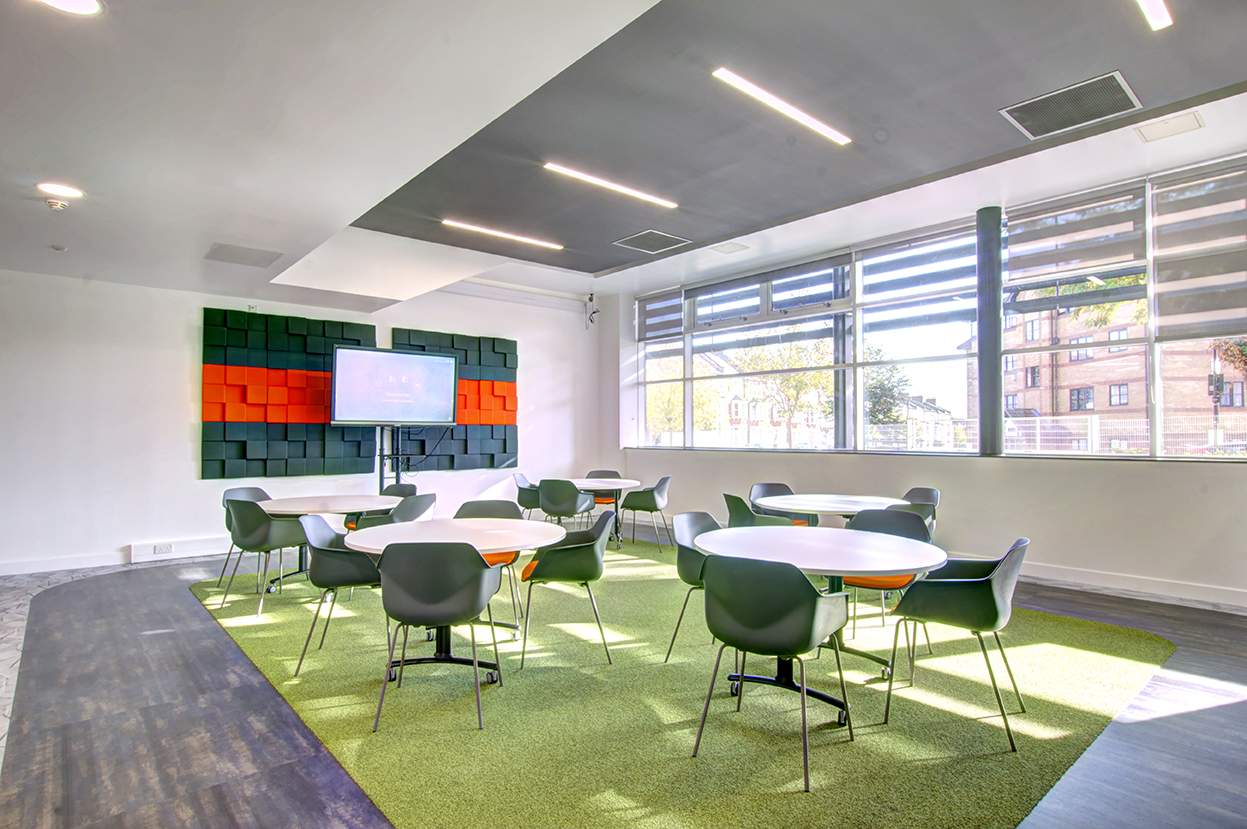
At its core, education is built on spoken communication. From teacher instruction to collaborative group work, clear sound transmission underpins effective learning. When acoustic conditions are optimal, students hear clearly, concentrate better, and engage more confidently with material — especially in noisy or busy environments. Conversely, when acoustics are poor, the learning experience deteriorates rapidly.
Common acoustic problems in classrooms and educational spaces include:
Excessive reverberation — sound bouncing off hard surfaces causes echoes and blurs speech.
High background noise — from HVAC systems, corridors, cafeterias, or outdoor areas.
Low speech intelligibility — students may only register half of what is said, especially in larger spaces.
Uncontrolled noise leakage — between adjacent zones or open-plan learning spaces.
1. Reduced Speech Intelligibility & Learning Loss
Poor acoustic environments make it hard for students to discern instructions clearly, leading to lost learning opportunities. Studies show that when speech signals are masked by noise and reverberation, students may miss a significant portion of lessons — particularly those at the back of a classroom or in open learning zones.
2. Cognitive Strain & Concentration Fatigue
Students expend extra mental energy deciphering speech amid noise. This increased cognitive load diverts attention from learning tasks to simply processing sound, leaving less mental capacity for comprehension, memory retention, and engagement.
3. Stress, Behaviour & Well-Being
Excessive noise and poor speech clarity can lead to frustration and stress for both students and teachers. Teachers in loud environments often have to raise their voices, increasing risk of vocal strain and fatigue. Students may become restless or disengaged, negatively impacting classroom behaviour and overall wellbeing.
4. Inequity for SEND & ESL Students
Students with special educational needs (SEND), hearing impairments, or those learning in a second language are disproportionately affected in sub-optimal acoustic spaces. Without clear sound transmission, these learners struggle the most, limiting inclusion and equitable access to education.
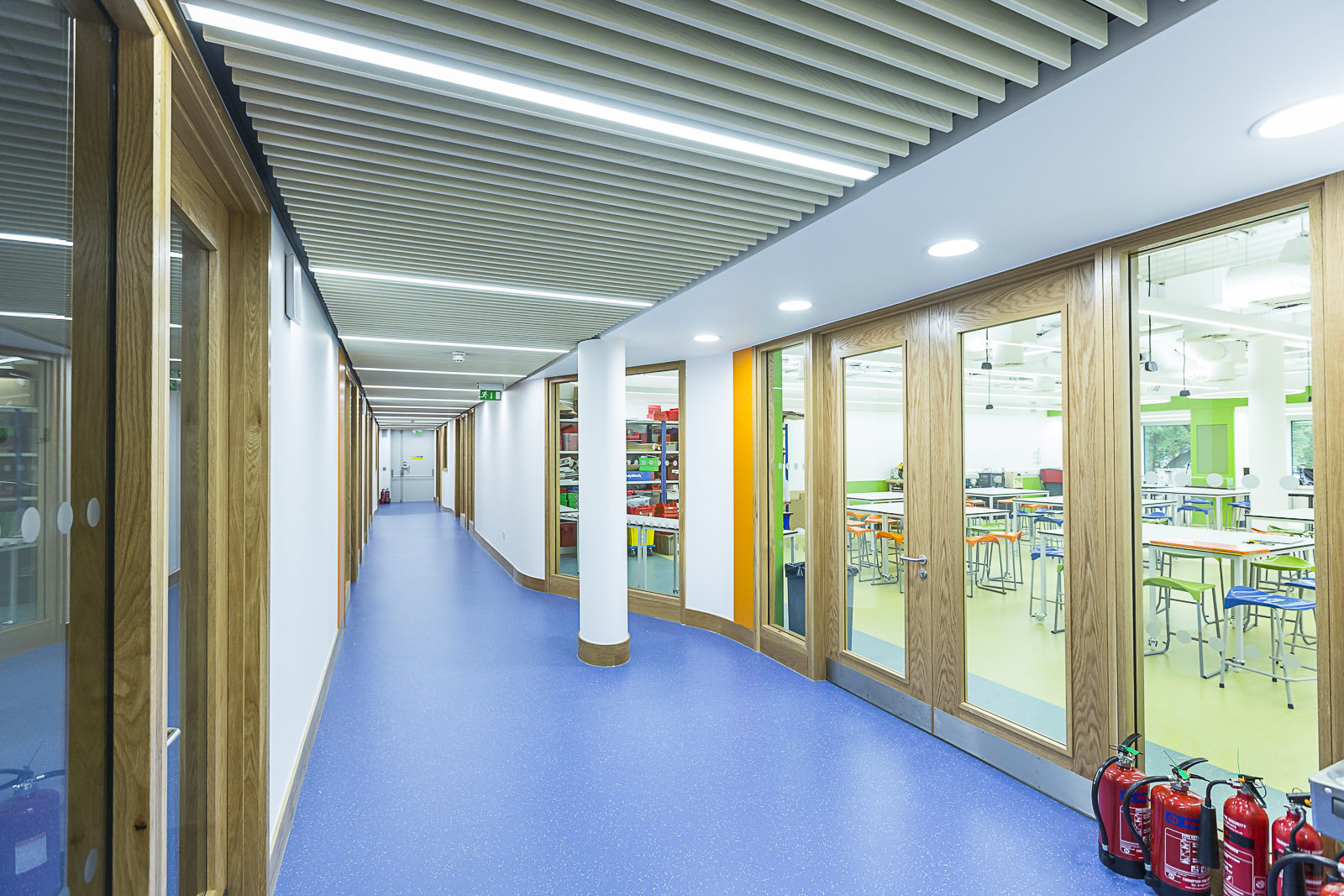
The good news? Well-designed acoustic environments don’t just reduce distractions — they actively improve learning:
Improved Speech Clarity
With the right acoustic treatment, speech intelligibility increases significantly, helping students understand and retain information more effectively.
Greater Academic Performance
Research indicates that acoustically enhanced classrooms can lead to measurable gains in academic outcomes — in some cases improving test performance by notable margins.
Calmer, Healthier Spaces
Effective acoustic control reduces stress and perceived noise levels, contributing to quieter, more focused learning environments that support both teaching effectiveness and student wellbeing.
“When students are forced to work harder just to hear and understand speech, their cognitive resources are diverted away from learning — directly impacting concentration, comprehension and academic performance.”
Solving acoustic issues in education requires thoughtful design and targeted interventions:
Absorptive surfaces — acoustic wall panels, ceiling systems, and baffles reduce reverberation and echo.
Strategic zoning — separating noisy and quiet spaces reduces noise spill-over.
Soft furnishings — carpets, curtains, and soft seating help absorb sound.
HVAC optimisation — quieter systems and insulation around mechanical equipment lower background noise.
At ekko Acoustics, we design and deliver bespoke acoustic solutions that transform noisy educational environments into focused, comfortable learning spaces, helping educators teach more effectively and students learn with confidence.
Good acoustics are not a luxury — they are a foundation of successful learning environments. By prioritising sound control in educational design, schools and campuses can unlock clearer communication, deeper concentration, improved wellbeing, and better academic outcomes for all students.
Explore our Acoustic Product Range, request material samples, or book a CPD session with our team to learn how acoustic solutions can elevate your workplace designs Contact Us.
All of our solutions are tested to UK fire safety standards and available in a wide palette of natural shades to complement any aesthetic – from corporate to creative.
References & Further Reading
Criterion Industries
The Impact of Acoustics on Education SpacesOscar Acoustics
Acoustic Comfort in ClassroomsDecibel International
The Critical Role of Acoustics in Modern Educational FacilitiesProject Scotland
The Vital Role of Acoustics in Classroom DesignKoru Acoustics
Classroom Acoustics ExplainedEcophon (Saint-Gobain)
The Sound Recovery Report – Education
