
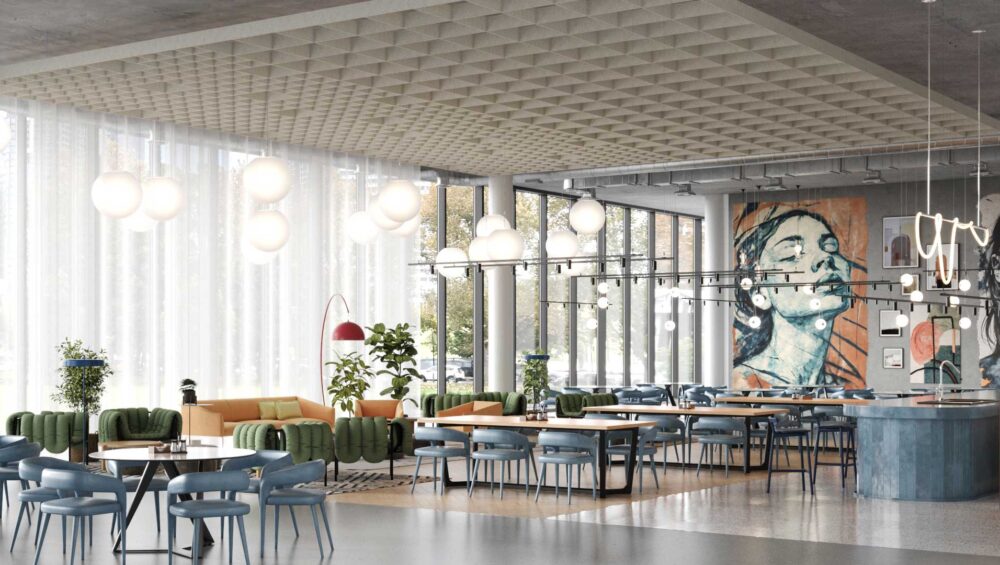
In hospitality, experience is everything. Whether it’s a restaurant, boutique hotel, or event space, people remember how a place made them feel, and sound is one of the most powerful (and overlooked) elements shaping that emotional response. Great acoustics don’t just reduce noise; they influence atmosphere, comfort, behaviour, and even revenue.
For designers and operators who want to create spaces guests rave about, acoustic control is no longer optional, it’s a fundamental part of successful hospitality design.
Unlike commercial offices, hospitality environments depend heavily on ambience. Poor acoustics can instantly undermine even the best interiors:
Guests raise their voices to compete with noise, creating a feedback loop of increasing volume.
Conversations become strained or unintelligible.
Staff struggle to communicate orders clearly, slowing service.
Noise spills into adjacent areas, disrupting the experience for others.
Environments lack intimacy, warmth, or comfort, all crucial to guest satisfaction.
On the other hand, well-designed acoustic environments feel effortless. Visitors may not notice why a space feels enjoyable; they just sense that it “works”.
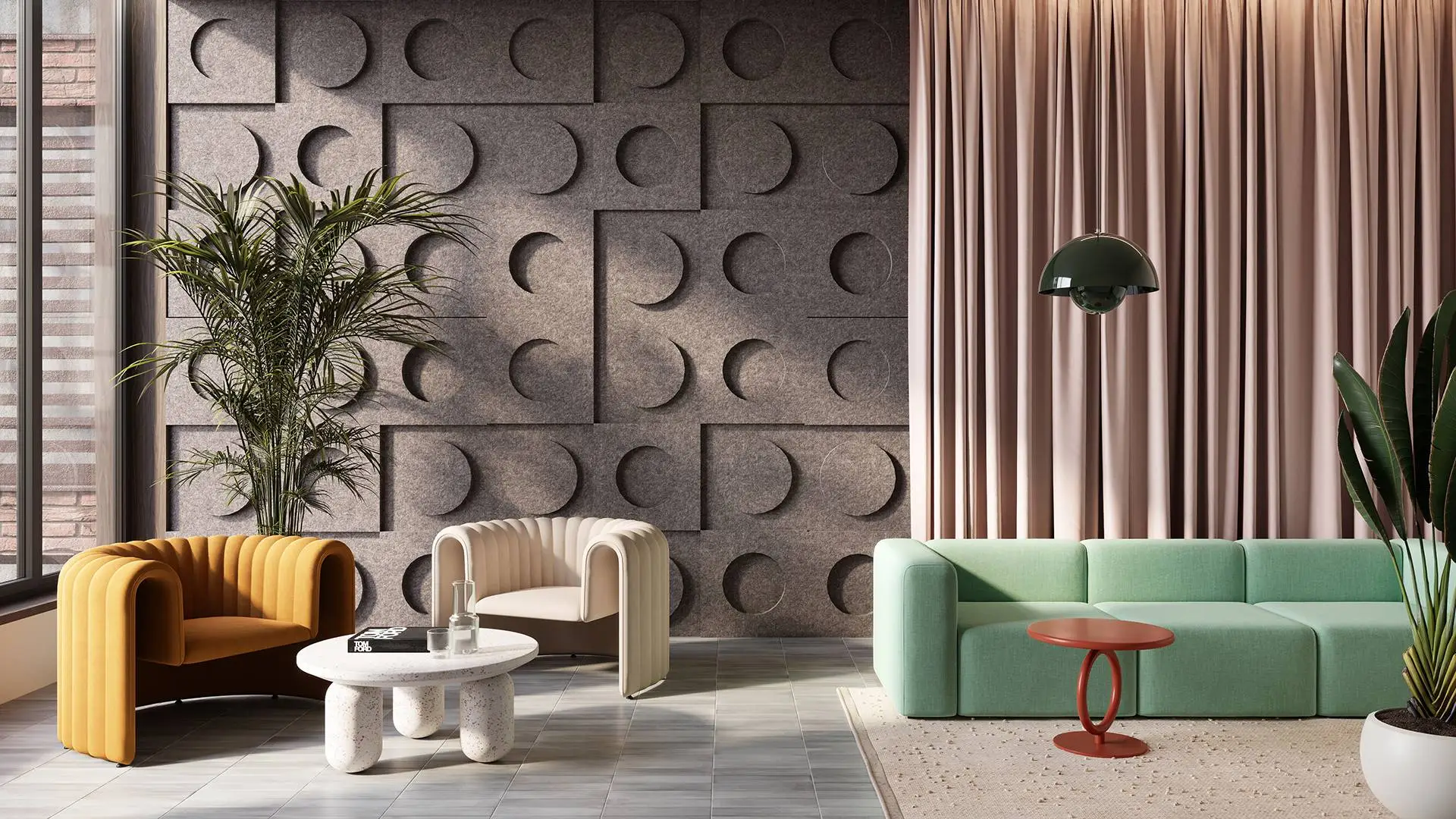
Restaurants are the most acoustically challenging hospitality environments. Hard surfaces, open kitchens, and popular design trends such as exposed ceilings can create reverberant, noisy spaces.
Thoughtful acoustic treatment transforms the dining experience:
Reduce reverberation and echo
Felt ceiling rafts, baffles, and discreet wall panels absorb excess sound energy, making conversations clearer without dulling the natural buzz of the room.
Improve speech clarity
Targeted acoustic zones, above tables, at waiting areas, or around the bar, help maintain intimacy, particularly in larger dining rooms.
Support brand identity
Acoustic elements can double as design features. Custom shapes, printed fabrics, colour-matched felt slats, and sculptural ceiling installations allow restaurants to combine aesthetic storytelling with genuine acoustic performance.
Boost dwell time (and revenue)
Studies show guests stay longer and spend more in acoustically comfortable restaurants. Sound comfort directly influences ordering behaviour, repeat visits, and online reviews.
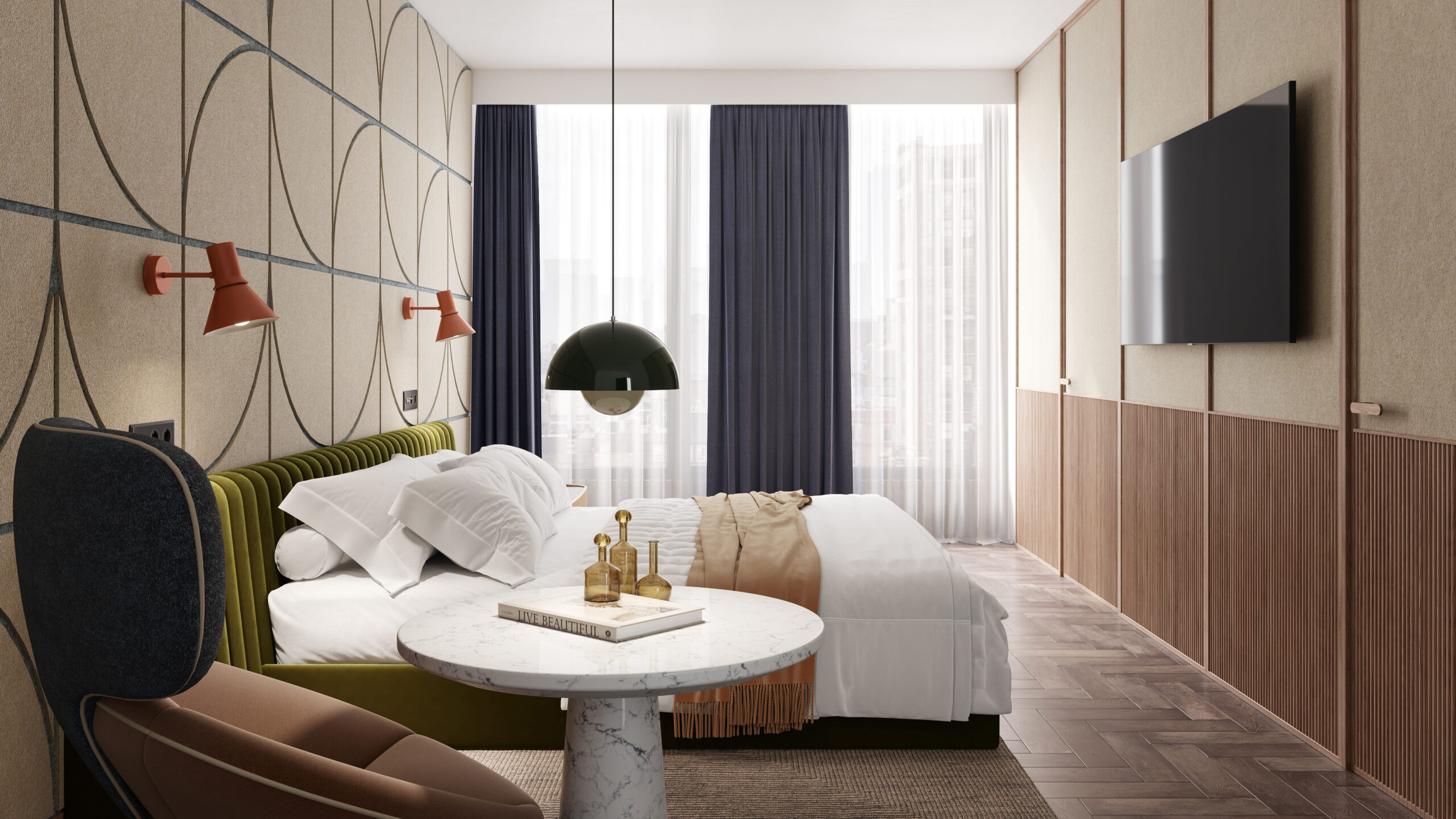
Hotel acoustics are about more than quiet rooms. Sound influences every touchpoint — from reception to corridors, lounges to conference spaces.
Guest rooms
Acoustic control prevents noise transfer from hallways, lifts, and adjacent rooms. Soft acoustic wall panels, headboard panelling, door seals, and ceiling treatments all contribute to better sleep quality — the ultimate measure of guest satisfaction.
Lobbies and lounges
These areas must feel welcoming, not overwhelming. High ceilings and hard floors commonly produce echo; felt baffles, slatted timber acoustic panels, and large-format wall absorbers help create a calmer arrival experience.
Meeting and conference rooms
Hotels hosting events need controlled acoustics to improve intelligibility and support AV systems. Echo and flutter reflections can ruin presentations — strategic absorption and, where needed, diffusion ensures clarity and professionalism.
Event venues must handle a wide range of activities:
Weddings
Corporate events
Live music nights
Conferences
Community gatherings
Each activity has different acoustic requirements, and flexible treatments make all the difference.
Modular acoustic systems
Movable acoustic screens, lightweight hanging panels, or fabric-wrapped modular absorbers provide adaptable solutions for multi-purpose spaces.
High-capacity environments
Rooms filled with people naturally become noisier. Ceiling wave systems, suspended felt clouds, and large-surface absorbers maintain comfort and prevent full-room echoing during speeches or entertainment.
Acoustic zoning
Events often include mingling areas, stage zones, and quiet corners. Zoning helps maintain spatial identity and reduces sound bleed between functional areas.
"A beautifully designed hospitality space can fall flat if the sound environment is chaotic — but with the right acoustic control, every moment becomes more comfortable, more memorable, and more profitable."
The modern hospitality sector embraces bold interiors, lighting features, timber detailing, high ceilings, artisanal surfaces. Acoustic products must integrate seamlessly.
ekko Acoustics specialises in:
Custom-shaped panels and baffles
Acoustic timber slats and feature walls
Fabric-wrapped modular panels
Felt ceiling wave systems (like our Aqua range)
Colour-matched and brand-aligned materials
Low-profile solutions for visually minimal schemes
With digital cutting, CNC shaping, and in-house fabrication, we can align acoustics with the interior designer’s vision rather than compromise it.
Many hospitality operators now prioritise materials that are:
Fire-rated
Low-VOC
Made from recycled content
Durable and easy to clean
Replaceable and repairable
ekko’s felt systems, timber slats, and fabric panels support both environmental goals and long-term performance requirements, particularly important for high-traffic public spaces.
Ultimately, acoustics influence how guests feel, behave, and remember a venue. A beautifully designed space can fall flat if the sound environment is harsh or chaotic. Conversely, well-controlled acoustics elevate every other design element.
Whether you’re designing a new restaurant concept, refreshing hotel interiors, or upgrading an event venue, thoughtful acoustic strategy is one of the most cost-effective ways to improve comfort, ambience, and guest satisfaction.
ekko Acoustics works with designers, architects, and operators across the UK to deliver tailored acoustic solutions that enhance both performance and aesthetics.
If you’d like support with materials, design concepts, technical performance, or custom fabrication, we’d love to help.
