
As workplaces evolve, so too does the way we manage sound. Commercial interiors are increasingly recognising that acoustics are not just functional; they’re an integral part of the experience, design, and wellbeing of occupants. At ekko acoustics, we’ve been tracking what’s really happening on the ground, and here’s what’s emerging.
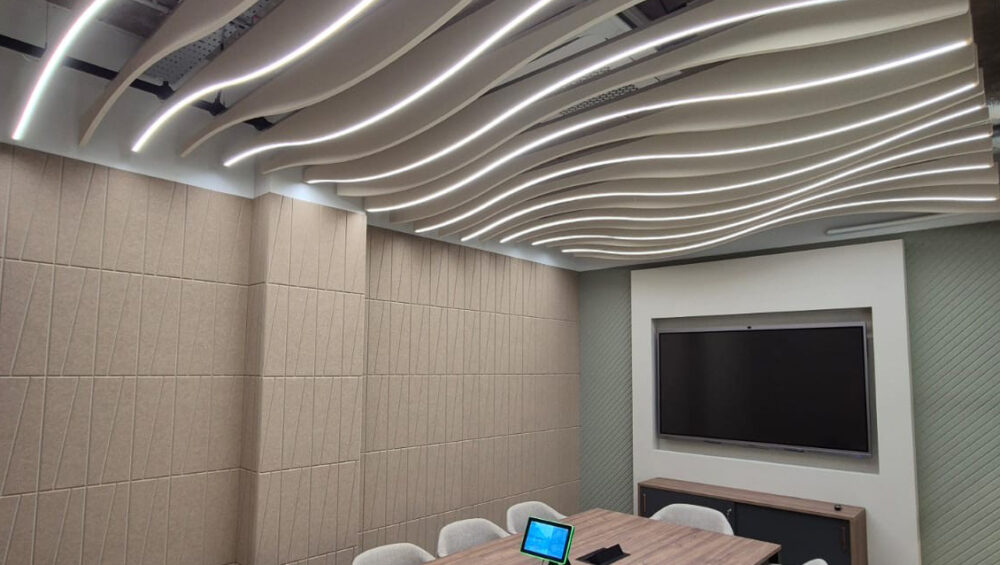
Gone are the days when acoustic solutions were hidden behind ceiling tiles or walls. Today, acoustic panels, baffles, and rafts are taking centre stage as visual design features. From striking geometric wall panels to suspended ceiling installations, commercial spaces are using acoustics to add texture, colour, and visual interest, while also reducing noise levels.
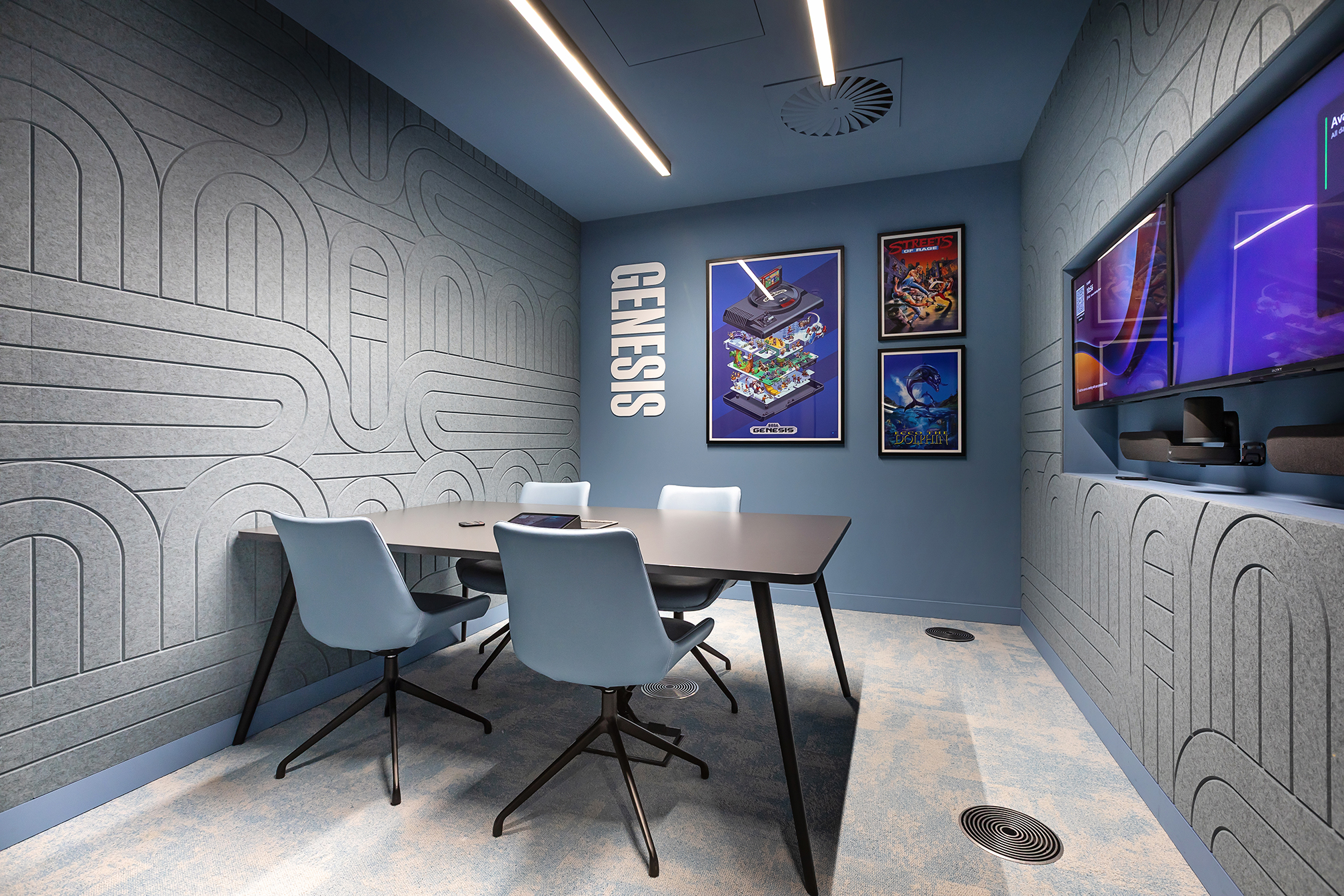
The shift from rows of desks to flexible, collaborative zones has created new acoustic challenges. Offices now require spaces that can serve as casual meeting areas, town halls, or breakout zones without sound spilling across the floor. High-performance acoustic baffles, pods, and partition panels are being deployed to maintain privacy and clarity, even in large, open-plan environments.
Architectural acoustics is no longer a separate consideration. Designers are increasingly integrating acoustic solutions with lighting, furniture, and other interior elements. Think acoustic wave baffles paired with LED lighting, or felt panels that complement feature ceilings and furniture finishes, creating spaces that are visually cohesive and sonically comfortable.
Sustainability and functionality are converging in acoustic design. In 2025, we’re seeing more use of natural, recycled, and non-toxic materials in acoustic panels, including wool-based felt and recycled fibres. These materials are not only environmentally responsible but also enhance sound absorption and durability, making them perfect for high-traffic commercial environments.
"Acoustic design is moving from the background to the foreground, shaping how modern workplaces look, feel, and function."
Acoustic solutions are increasingly focused on creating soft zones, areas where casual collaboration or quiet reflection can happen. Designers are combining suspended acoustic baffles, curved panels, and partitioning systems to define spaces without enclosing them, striking a balance between openness and acoustic comfort.
Ceilings continue to be a major canvas for acoustic innovation. In 2025, acoustic ceiling systems, from modular grids to wave-like baffles, are being used to control reverberation while also adding character to spaces. Expect this trend to grow in 2026, with ceilings becoming even more expressive and functional.

Finally, commercial interiors are putting wellbeing at the heart of design. Noise reduction isn’t just about productivity — it’s about creating environments where people feel calm, focused, and comfortable. Acoustic panels, baffles, and bespoke solutions are increasingly chosen for their ability to support mental wellbeing, collaboration, and concentration.
The trend is clear: acoustic design is moving from the background to the foreground. Offices, learning spaces, and commercial environments will continue to demand solutions that are functional, sustainable, and visually impactful. At ekko acoustics, we’re excited to support designers in creating spaces that look great, sound great, and feel great.
