
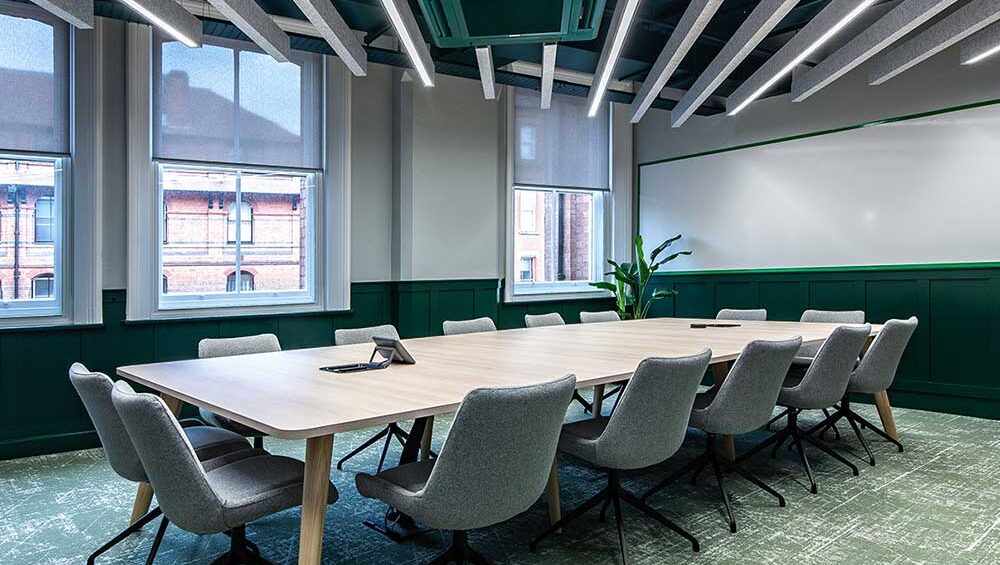
In today’s workplace and commercial environments, lighting and acoustics are no longer separate design considerations, they are interdependent elements affecting comfort, productivity, wellbeing and spatial performance. Recognising this, designers are increasingly specifying integrated solutions that optimise both sound quality and illumination in one coherent strategy.
This article will explore the why, what and how of acoustic lighting, with industry insight, data and best‑practice takeaways for designers who want solutions that work technically and aesthetically.
Open plans amplify noise
Open‑plan offices, collaborative hubs, hospitality venues, and flexible workspace layouts are now the norm. While these layouts support communication and space optimisation, they also introduce acoustic challenges: multiple reflective surfaces, hard finishes, and absence of enclosed barriers create elevated noise levels and longer reverberation times.
Simultaneously, lighting design has evolved toward sleek, minimal fixtures and integrated illumination strategies, which can reduce visual clutter but sometimes overlook acoustic performance in pursuit of visual purity.
Productivity and comfort suffer without acoustic control
It’s widely recognised that poor acoustic environments contribute to:
- Higher distraction levels
- Reduced cognitive performance
- Increased stress and fatigue
Problems like these have traditionally been addressed with separate acoustic panels and standalone lighting systems, but this approach adds complexity, increases installation time, and can interrupt spatial continuity.
Problems like these have traditionally been addressed with separate acoustic panels and standalone lighting systems, but this approach adds complexity, increases installation time, and can interrupt spatial continuity.
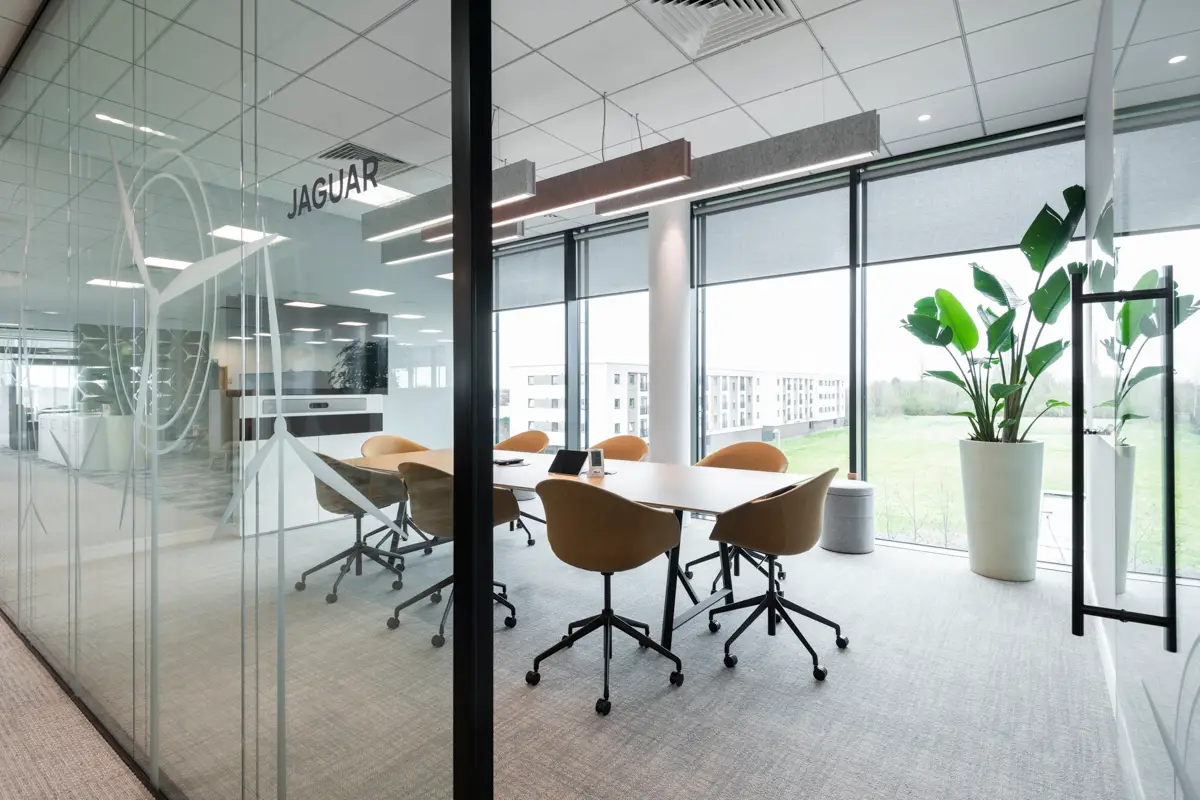
Holistic design improves performance
Separate acoustic treatments and lighting systems often conflict:
- Acoustic panels can block light paths or cast shadows
- Bulkier lighting can create hard reflective surfaces that increase noise
- Installation coordination between specialists adds time and cost
Acoustic lighting resolves this by unifying acoustic control and illumination in a way that enhances both, improving occupant comfort and architectural coherence.
Supporting wellbeing and productivity
Studies show that both sound and light impact how people feel and perform. Quieter environments increase concentration and reduce stress, while well‑designed lighting supports visual comfort and can reduce eyestrain. Integrating these functions means designers can deliver spaces that truly support the human experience, not just tick performance boxes.
Aesthetic and sustainability advantages
Today’s acoustic lighting solutions are available in a wide variety of shapes, sizes and finishes, enabling seamless integration with architectural intent and brand identity. As sustainability becomes central to specification, acoustic lighting also supports:
- Material efficiency (one product instead of two)
- Recyclable or recycled acoustic materials
- Compliance with environmental design standards
When specifying acoustic lighting, consider the following:
Lighting performance first
Many “hybrid” products on the market are essentially acoustic panels with cheap lights inserted — this often results in poor illumination quality, inadequate optics, and limited control over glare and distribution.
True acoustic lighting should be engineered by lighting specialists first, ensuring that performance meets design intent and functional requirements before acoustic materials are added. This drives better light distribution, correct colour rendering and visual comfort across the space.
Use acoustic data, not assumptions
Designers should request acoustic performance data — including Noise Reduction Coefficient (NRC) or Sabins — and understand how fixtures contribute to overall sound objectives. This ensures measurable outcomes, not guesswork.
Placement matters
Where fixtures are located relative to reflective surfaces, workstations or meeting areas can dramatically change their effectiveness. Strategic placement combined with thoughtful lighting plans can achieve significant improvements.
Material sustainability
Acoustic materials should support broader sustainability goals. Felt panels made from high percentages of recycled content, low VOC materials, and fully recyclable systems help deliver environmentally responsible designs.
Acoustic lighting has proven value in:
- Open‑plan offices — noise reduction and consistent illumination improve focus and collaboration
- Meeting rooms — speech clarity and controlled reflections
- Hospitality and retail — enhancing atmosphere without sacrificing visual quality
- Educational spaces — support learning environments through improved cognition and comfort
By integrating lighting and acoustics early in design, teams save on installation time and achieve superior performance outcomes.
"Acoustic lighting isn’t just a trend, it’s a strategic tool for creating high performance environments where lighting and sound work together to improve comfort, productivity, and wellbeing."
The industry trend is moving toward a holistic understanding of environmental performance. Acoustic lighting exemplifies this shift — it’s not about adding features, it’s about designing spaces that function beautifully for people and meet technical requirements with elegance and efficiency.
For designers looking to lead rather than follow, acoustic lighting isn’t just a trend — it’s a strategic tool for creating high‑performance environments.
Explore our Acoustic Lighting Range, request material samples, or book a CPD session with our team to learn how acoustic lighting solutions can elevate your workplace designs Contact Us.
All of our solutions are tested to UK fire safety standards and available in a wide palette of natural shades to complement any aesthetic – from corporate to creative.
